
 Facebook
 X
 Pinterest
 Copy Link
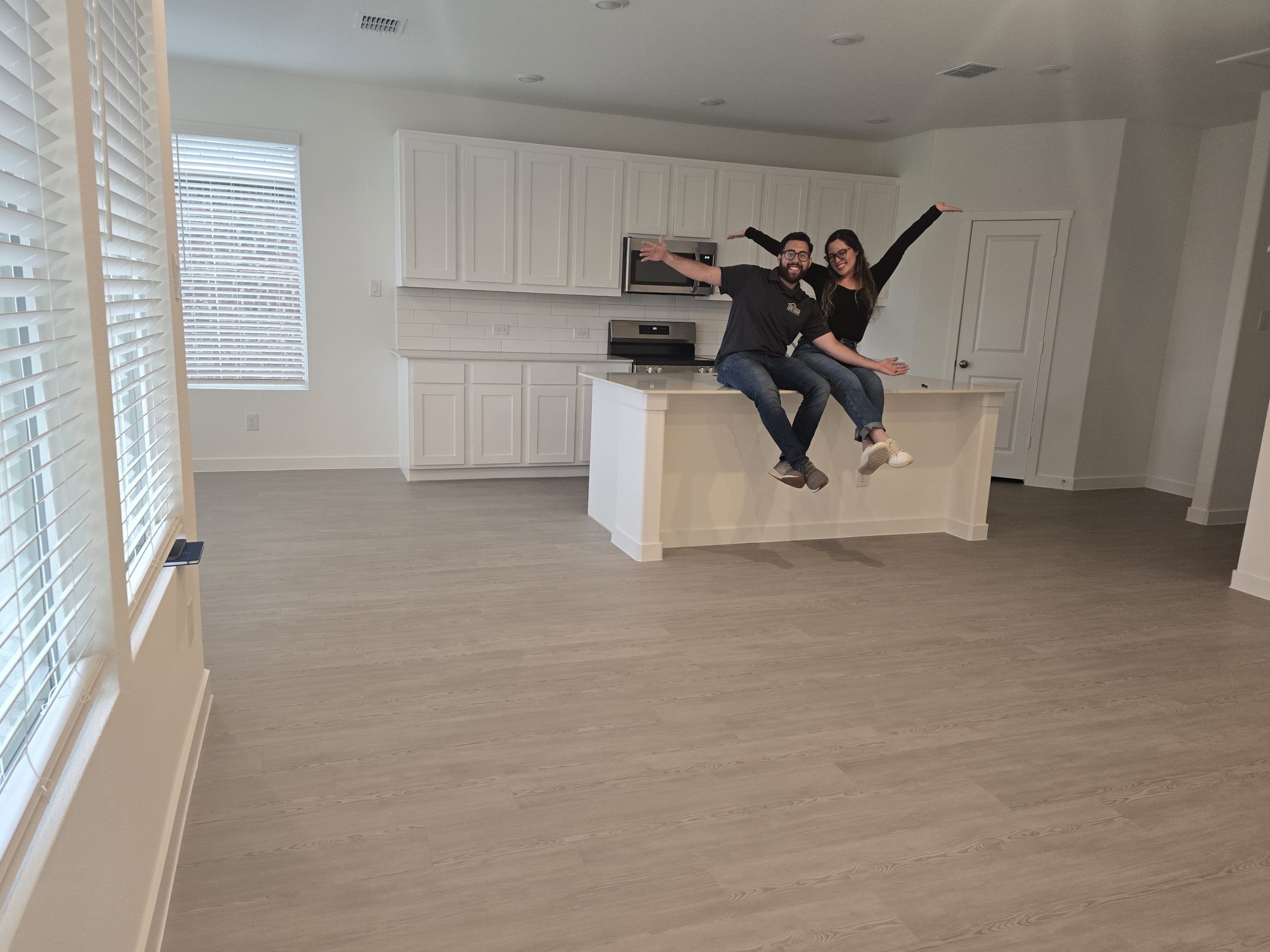
Does it really matter whether your real estate agent speaks Spanish? For many families, it makes all the difference. Imagine waiting three days for someone to explain an addendum. Or imagine signing a counteroffer you don’t fully understand. Nationally, Hispanic households are now the biggest driver of homeownership growth. Locally, several of the communities I serve are close to half Hispanic. For more than 20 years, I’ve helped buyers and sellers in Austin, Buda, Round Rock, Bastrop, Elgin, Lockhart, and San Marcos in both English and Spanish. As a Spanish-speaking real estate agent in Austin, I built my practice on one simple idea: no one should have to guess what they’re signing.
Hispanic Homebuyers Are Driving U.S. Homeownership Growth
According to NAHREP’s 2025 State of Hispanic Homeownership Report, Hispanic households added a net 441,000 homeowners in 2025. That’s the largest one-year gain for Hispanic households since the Census Bureau began tracking it in 1975. As a result, the total reached a record 10.2 million Hispanic homeowner households. In fact, Hispanic households accounted for 139.6% of all U.S. homeownership growth that year. In other words, without them, the number of homeowners nationwide would have gone down.
At the same time, the Hispanic homeownership rate stood at 48.5% in 2025, as affordability pressures weighed on buyers of every background. Even so, the economic base keeps growing. According to the same report, median Hispanic household income rose 4.5% to $72,574 in 2024. Meanwhile, U.S. Latino GDP reached about $4.1 trillion in 2023. On its own, that would rank as the fifth-largest economy in the world.
Why Hispanic Homebuyers in Central Texas Need Bilingual Service
In fact, that national trend is even stronger in the communities I serve. Here’s a look at the latest Census Bureau estimates.
| Area | Hispanic or Latino Share | Population Growth, 2020–2025 |
| City of Austin | 31.9% | 4.6% |
| Round Rock | 29.7% | 18.2% |
| Buda | 30.5% | 6.8% |
| San Marcos | 42.2% | 14.9% |
| Bastrop County | 48.1% | 22.3% |
| Elgin | 46.9% | 37.4% |
| Lockhart | 52.6% | 26.2% |
Across the Austin metro, about one in three residents is Hispanic, according to Opportunity Austin. In Lockhart, Hispanic residents are now a majority, and in Bastrop County and Elgin they’re close to half. Several of these communities are also growing much faster than Austin itself. On top of that, Central Texas has its own Austin chapter of NAHREP, the National Association of Hispanic Real Estate Professionals. Still, not every agent can guide a family from the first showing to the closing table entirely in Spanish.
What Gets Lost When Your Agent Doesn’t Speak Spanish
In general, the most common problems aren’t dramatic. Instead, they’re small, they add up, and they can be expensive. After all, real estate contracts are full of terms that confuse even fluent English speakers. For example, a word-for-word translation of “option period,” “earnest money,” or “escrow” often misses what the clause actually requires you to do.
Family dynamics matter, too. According to NAR, 22% of Hispanic buyers purchased multigenerational homes, compared with 12% of white buyers. Without a bilingual agent, the conversation often happens with only one family member. As a result, parents or grandparents who are part of the decision get left out. That’s how buyers end up feeling rushed, unheard, or hesitant to ask a question twice.
The Real Value of a Bilingual, Bicultural Agent
When I work in Spanish, I can explain an option period or a repair amendment the moment a question comes up. There’s no waiting for a translator. Therefore, it builds a different kind of trust. My clients can include a spouse, an aunt, or an adult child in a walkthrough or a negotiation call. Most importantly, everyone understands the same thing the first time.
It also means fewer costly mistakes, such as missed deadlines, misread disclosures, or surprise fees. After all, nothing depends on an approximate translation. Being bicultural matters, too. For instance, I understand why a family may want room for grandparents, or why a big decision includes everyone. And because a home is often a family’s largest asset, getting these details right helps protect hard-earned wealth for the next generation.
Frequently Asked Questions About Working With a Bilingual Agent
Is a bilingual agent useful if I speak English?
Often, yes. If English isn’t your first language, contracts and deadlines are exactly where small misunderstandings get expensive. With a bilingual agent, you can negotiate and read documents in the language you feel most confident in, without losing important details.
Can you explain the process to my whole family?
Yes, and it’s one of the most important parts of my service. Because I can explain each step in Spanish, every decision-maker can take part directly. That way, no one has to rely on a single relative to translate everything secondhand.
Does working with a bilingual agent cost more?
No. Bilingual service is simply part of how I work, not an extra fee. As with any agent, commissions are negotiable and are agreed on in writing before we start working together.
Of course, buying or selling a home is already one of the biggest financial decisions a family makes. It shouldn’t also come with a language barrier between you and your own contract. Whether you feel more comfortable in English, Spanish, or both, I’ll meet you where you are and make the process clearer, one step at a time.
Let’s connect! Irma D. Lozano – 512-801-0535
